A global issue…… Why put the most generous benefactors at risk?
Luxury brands understand the importance of protecting their reputations and their clients.
Hermès demonstrated this principle when Executive Chairman Axel Dumas publicly disclosed that the company declined repeated attempts by Jeffrey Epstein to establish a relationship with the brand, refused a proposed business engagement, and returned a charitable donation. The message was clear: institutional integrity outweighs financial opportunity.
Hermès CEO Axel Dumas described Jeffrey Epstein as a “financial predator” and stated, “I think I was a target, I was a young CEO, and we were in the middle of the LVMH affair. He was a financial predator… He already had a hateful reputation.”

Many create multi-generational relationships that have serious value. However…….
“Charitable events have become hunting grounds for the nefarious”
one benefactor quipped…….
Charitable events have become attractive venues for individuals seeking access rather than supporting the cause. It’s not just reputational risk for the benefactor, there is a playbook that can appear remarkably simple: purchase a ticket, introduce yourself to prominent philanthropists, request photographs, and cultivate the appearance of close relationships. Those images are then shared across social media, creating an impression of influence and credibility that may not reflect reality. This credibility is then used for another scheme.

Many wealthy individuals had strict upbringings. Whether at boarding school or at home. One never wants to appear to be rude. That adheres to their social equity, and it is taken advantage of, and they are preyed upon, a form of social vampirism.
“I felt manipulated, I was extremely unhappy, but I didn’t want to be rude”
another woman admitted…. About a photo that she was in.
The next step is often predictable. Armed with carefully curated photographs, individuals may approach prospective clients, investors, sponsors, or partners with a new venture, event, or business opportunity. A quick online search reveals images alongside respected family offices, charitable leaders, and distinguished benefactors, lending an aura of legitimacy that association alone should never confer.
The world’s leading museums, universities, hospitals, and charitable foundations have spent generations cultivating credibility. That credibility is reinforced not only by successful fundraising but also by thoughtful judgment. Protecting the reputations of trustees, donors, sponsors, and distinguished guests should be viewed as an essential component of nonprofit governance—not an optional courtesy.
Major philanthropists frequently spend decades building businesses, supporting communities, and establishing charitable legacies. Their names become intertwined with the organizations they champion. When charities knowingly permit attendance by paid guests whose public reputations have become associated with repeated allegations of misconduct or whose actions have been the subject of widespread investigative reporting and sustained editorial scrutiny, they expose every attendee to unnecessary reputational risk.
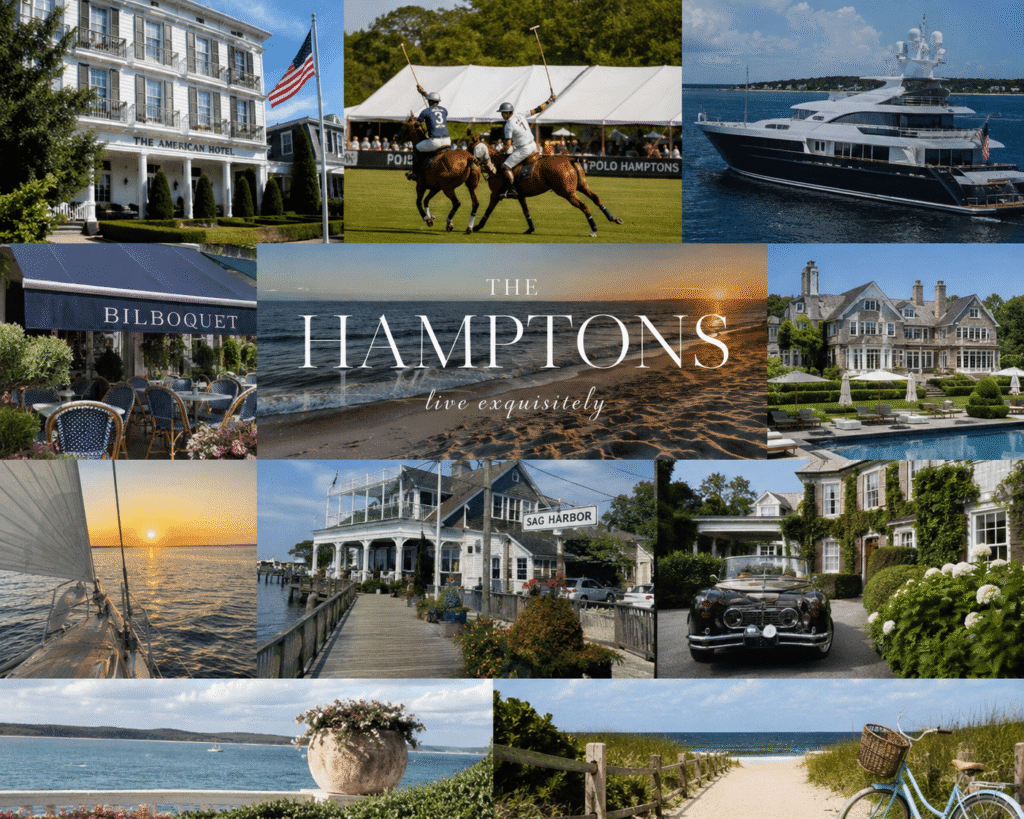
“ I know a particular family who stopped attending Hamptons charity events for this very reason” an attendee stated.
Among ultra-high-net-worth families, family offices, and institutional philanthropists, wealth is rarely measured solely by balance sheets. Legacy, trust, and reputation are the currencies, charities have social equity to protect. Reputation is often more valuable than capital itself. Every charitable gala, fundraiser, and nonprofit event is built on trust—the trust that organizers will protect not only their mission, but also the people whose generosity sustains it.
Families and individuals research charities and do their due diligence before aligning with them. Shouldn’t charities do the same? It is an act of responsible governance. As philanthropy continues to intersect with global business, family offices, and influential private capital, charitable organizations must recognize that reputational stewardship has become as important as financial stewardship.